Mar 3rd, 2025
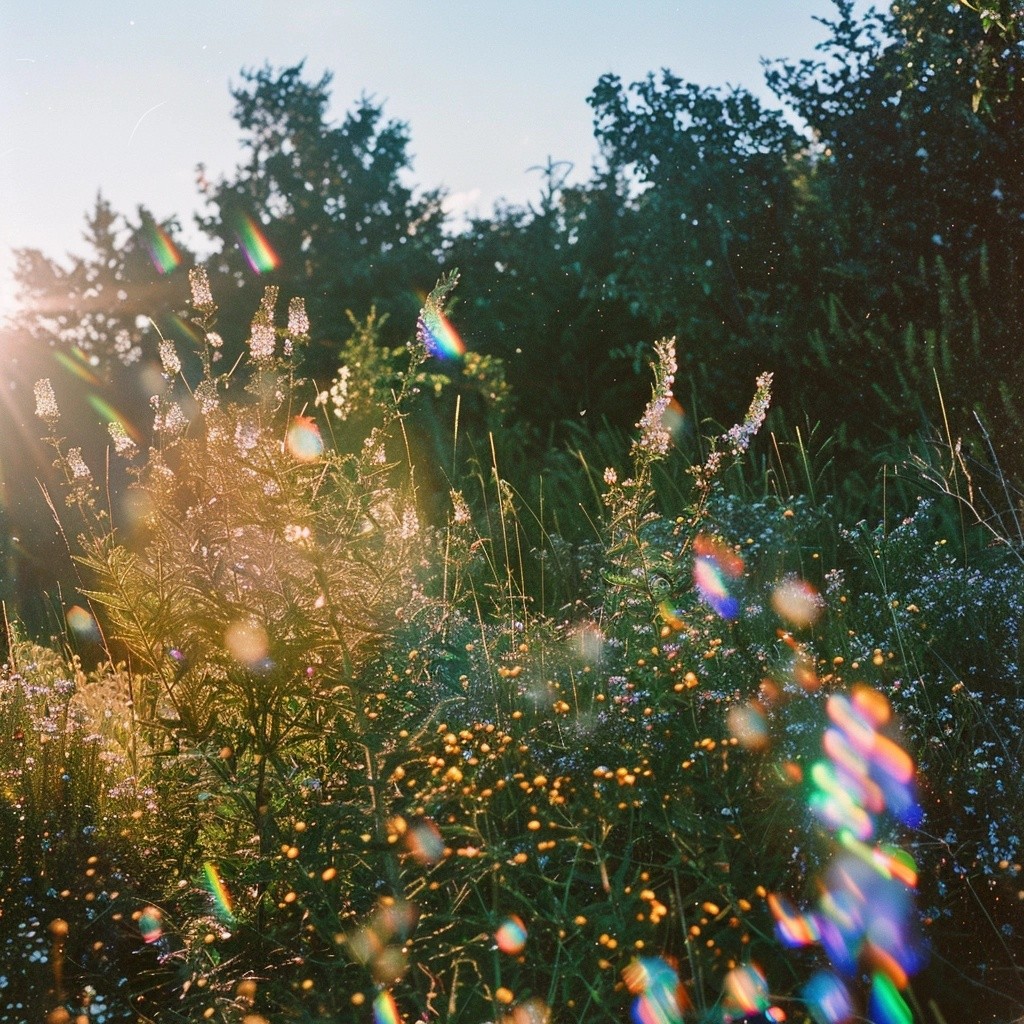
There is a moment, usually about four minutes in, when the strangeness peaks.
You are standing in a forest, or a field, or beside water, and someone has asked you to simply be there. Not to hike. Not to photograph. Not to reach any destination. Just to stand, and breathe, and let the place do what places do when you stop moving through them like a task to be completed.
And the mind, which has been optimized by years of productivity and purpose and the clean satisfaction of forward motion, does not know what to do with this. It generates a low, persistent signal that in modern life we have learned to translate as boredom, or awkwardness, or the nagging sense that you should be doing something.
That signal is not boredom. That signal is the beginning.
The Japanese call it shinrin-yoku, forest bathing, though the translation flattens something important. A bath is something you do. What the forest offers is something closer to what water offers: not an activity, but a condition. You do not bathe in a forest. The forest bathes you, if you are willing to stop long enough to get wet.
And getting wet requires surrender. This is why it feels strange. We have built entire civilizations on the premise that the self is something to be asserted, projected, defended. We walk into rooms and make impressions. We walk into forests and make the same mistake, broadcasting our anxieties and agendas into a silence that has no interest in receiving them.
The forest is not impressed by you. This is precisely its gift.
What happens in that four-minute threshold, when the strangeness peaks and then, if you stay, begins to dissolve, is something the nervous system scientists can now measure and the mystics have always known: the body begins to remember that it is not separate from what surrounds it. The boundary between inside and outside, which feels so solid, so definitional, starts to become porous. Not metaphorically. Physiologically. Cortisol drops. Heart rate variability improves. The parasympathetic nervous system, the one that governs rest and repair and the deep animal intelligence that knows how to heal a wound without being asked, comes online.
You do not think your way into this. You cannot. Thinking is precisely the faculty that keeps the boundary solid. You arrive here by stopping. By standing still long enough that the forest stops treating you like a disturbance and starts treating you like furniture, which is to say, like something that belongs.
The birds return first. Then the quality of light seems to change, though nothing has changed but your attention. Then something older than language begins to move in the body, a recognition, not of something new but of something ancient that you forgot you knew.
Here is what the research confirms and what the body already suspects: trees communicate. Not metaphorically. Through mycorrhizal networks beneath the soil, through chemical signals released into the air, through frequencies of light and moisture that other organisms are built to receive, the forest is in constant conversation. You are walking into a conversation that has been ongoing for longer than your species has existed.
You are not visiting the natural world. You are the natural world, briefly confused about this fact.
The weirdness you feel at the beginning is the friction of that confusion meeting its correction. The self that performs and produces and optimizes does not know how to exist in a system that has no use for performance. And so it fidgets. It checks the time. It narrates the experience to an imaginary audience. It does everything except the one thing the forest is asking: stop. listen. belong.
Stay past the weirdness. This is the only instruction that matters.
Because on the other side of that threshold is something that no wellness application, no breathwork protocol, no optimization stack can manufacture. It is the direct, embodied recognition that you are not a self navigating a world. You are a process that the world is doing, temporarily, in the shape of a person.
The forest has always known this. It has been waiting, patiently, for you to remember.
Go get weird. Stay until the weird becomes quiet. Stay until the quiet becomes something you cannot name but do not want to leave.
That feeling is not strange. That feeling is home.
OUROS is a Field Research Lab. GNOIA is our first instrument, currently in private alpha.